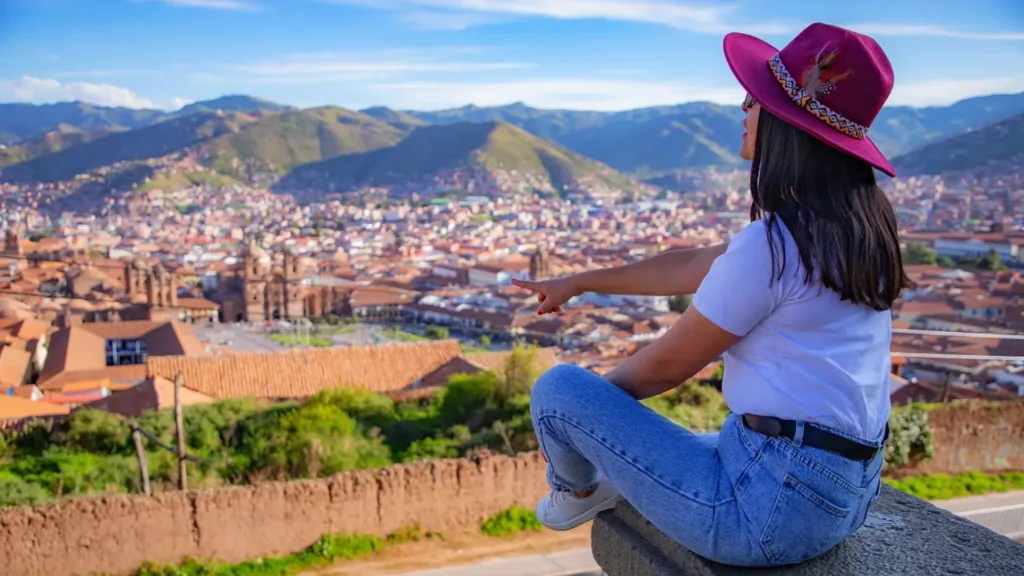
The Inca Trail is the most famous trek in South America, but it demands absolute respect for the mountain. Knowing exactly what to do in Cusco before the Inca Trail makes the difference between a successful expedition and an early return due to altitude sickness (soroche).
The altitude of the city of Cusco (3,399 m.a.s.l.) and the highest point of the trek (Dead Woman’s Pass at 4,215 m.a.s.l.) force your body to adapt to the lower oxygen pressure. As an adventurer, your previous days should not be of absolute sedentarism, but of active and intelligent acclimatization.
Here we detail the technical strategy and the ideal short itineraries to prepare your body while you discover the Andean culture.
The science of acclimatization in Cusco
The human body needs time to produce more red blood cells and compensate for hypoxia (lack of oxygen). Arriving in Cusco and leaving the next day for km 82 (start of the Inca Trail) is a serious tactical error.
According to mountain medicine protocols, at least 2 to 3 days of active acclimatization are required. This means making progressive physical efforts, keeping yourself below your anaerobic threshold.
What to do in Cusco before the Inca Trail? Top preparation activities
For an active acclimatization, we recommend activities that combine low-intensity walks with cultural immersion.
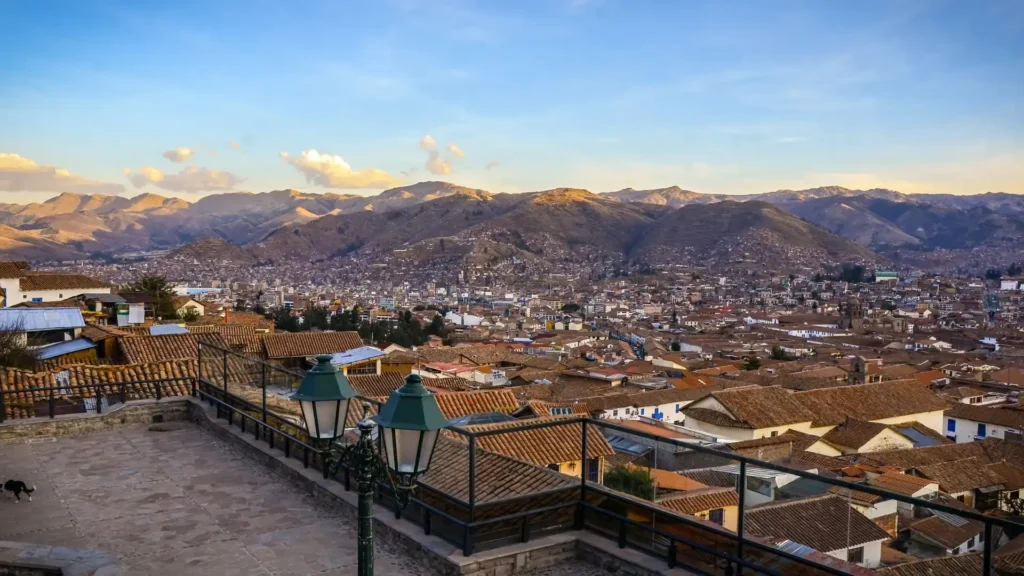
Light walk through the Historic Center and San Blas (Day 1)
Your first day should be gentle. Explore the Plaza de Armas, the 12-Angled Stone, and ascend at a very slow pace through the cobbled streets towards the picturesque neighborhood of San Blas.
Physical objective: Joint mobility and pulmonary adaptation without agitation.
Tip: Stop to drink coca tea in local cafes; hydration is vital.
Archaeological tour to Sacsayhuamán (Day 2)
Located at 3,700 m.a.s.l., this Inca fortress is the perfect training ground. Taking a City Tour in Cusco that includes Sacsayhuamán, Qenqo, Puca Pucara, and Tambomachay will force your body to work at a higher altitude than the city, applying the mountaineer’s principle: “climb high, sleep low”.
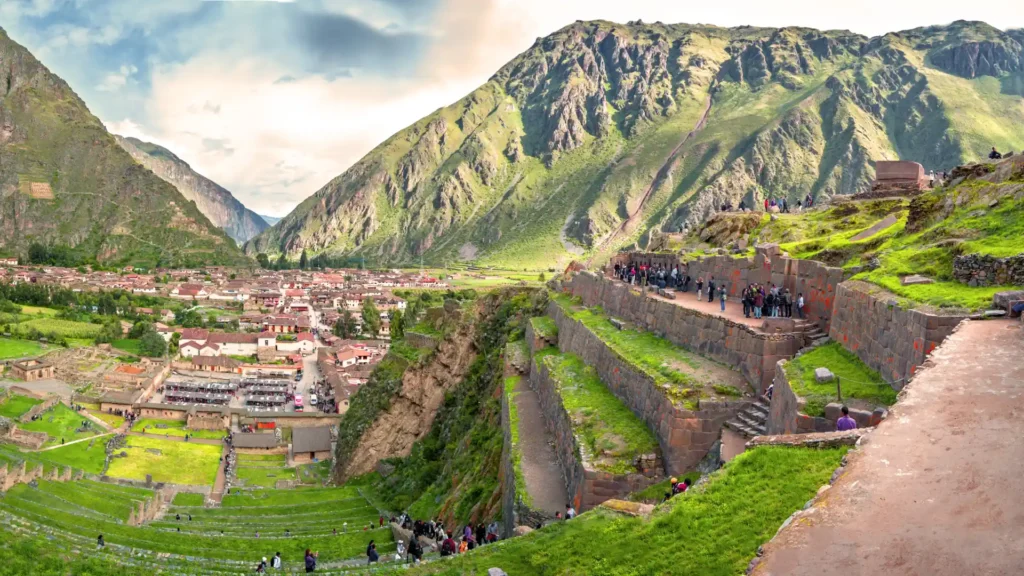
Descent to the Sacred Valley of the Incas (Day 3)
The Sacred Valley has an average altitude of 2,800 m.a.s.l., significantly lower than Cusco.
Booking a Sacred Valley Tour visiting Pisac and Ollantaytambo will not only oxygenate you better thanks to the drop in altitude, but the walks through the agricultural terraces will prepare your quadriceps for the Inca Trail stairs.
Technical protocol to prevent soroche
In addition to choosing the right tours, apply these unbreakable rules:
Aggressive hydration: Consume between 3 and 4 liters of water daily. Altitude dehydrates through accelerated breathing.
Hyper-glucidic diet: Prioritize complex carbohydrates (quinoa, potato, rice). Your digestive system slows down at altitude; avoid red meats and heavy fats.
Zero alcohol: Alcohol dehydrates and depresses the respiratory system during sleep, blocking acclimatization.
Secure your summit with experts
Your expedition to Machu Picchu requires meticulous planning. Don’t leave your adaptation to chance. At Suntrace Peru, we design packages that integrate days of strategic acclimatization with the great trek.
Frequently Asked Questions about acclimatization in Cusco
How many acclimatization days do I need for the Inca Trail? A minimum of 2 full days (ideally 3) in Cusco or the Sacred Valley doing low-intensity walks is recommended before starting the Inca Trail.
What medications help with altitude sickness in Cusco? Acetazolamide (known commercially as Sorojchi Pills or Diamox) helps speed up acclimatization. Always consult with your doctor before traveling to get a prescription tailored to your profile.
Is it better to stay in Cusco or the Sacred Valley to acclimatize? Physiologically, sleeping in the Sacred Valley (2,800 m) is gentler on the body the first few days than sleeping in Cusco (3,399 m). Many mountaineers recommend going straight to the Valley, acclimatizing there, and then going up to Cusco.
