
Peruvian researchers have discovered an incredible Inca archaeological complex that had been hidden for centuries. This new Inca citadel Cusco not only redefines our understanding of the Andean past and history, but it is also estimated to be larger than Machu Picchu, the Wonder of the World located in our country. If you thought you had seen it all in the Andes, get ready, because this monumental and incredible discovery proves that the engineering, magic, and mystery of the Inca Empire are more alive than ever with much information yet to be discovered.
For decades, explorers and historians believed the major secrets of the Andes had already been mapped. However, this revelation proves that the lush cloud forests and towering peaks still guard silent witnesses to a glorious and powerful past.
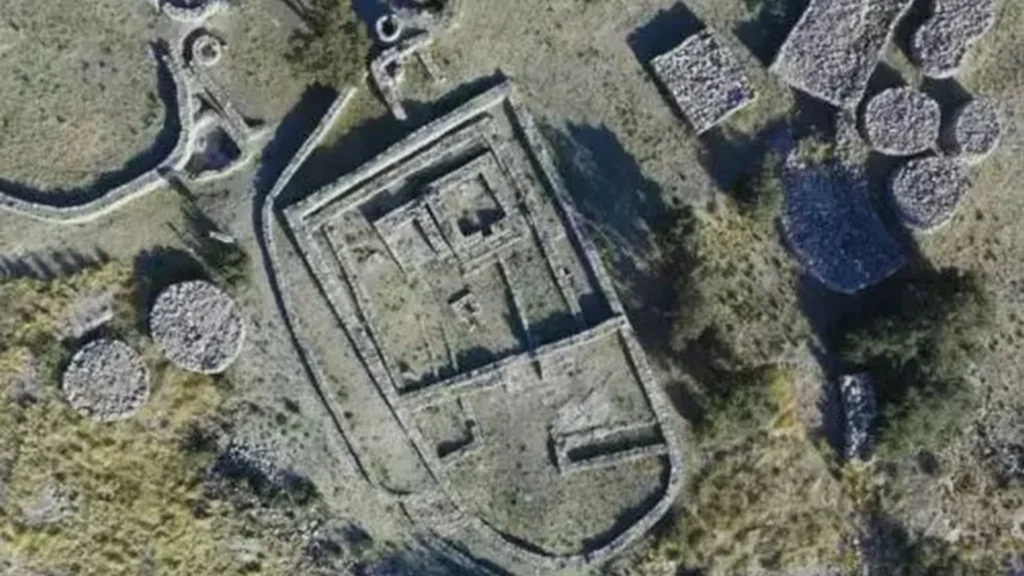
The New Inca Citadel Cusco: An Impressive Complex
Located in the district of Chaltaba, Paucartambo province, at over 3,600 meters above sea level in the Cusco region, this site sits majestically on a mountaintop. The hard-to-reach area, characterized by rugged Andean geography and unpredictable weather, has protected this invaluable cultural heritage of humanity from the passage of time in Peru, acting as a natural time capsule.
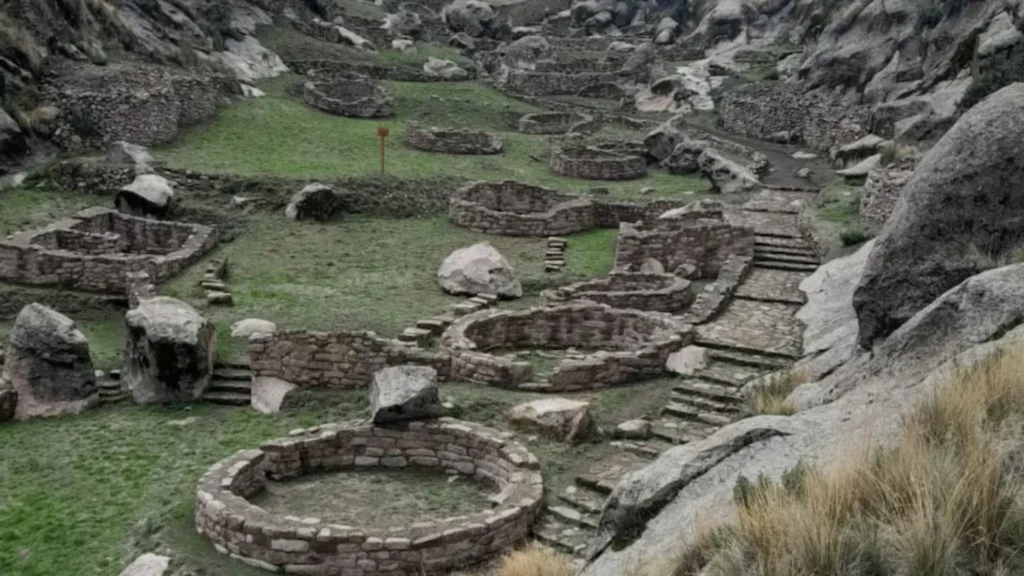
Preliminary studies suggest that it could be up to four times larger than the Wonder of the World Machu Picchu. The complex covers more than 3,000 hectares and was completely hidden by its strategic location and the dense, misty vegetation. Among its impressive architectural features, which reaffirm the greatness and ambition of the Inca civilization, are:
- Huge agricultural terraces (andenes) stretching across the mountain, demonstrating their advanced mastery of high-altitude agriculture and their ability to adapt to extreme environments to sustain a large population.
- More than 400 structures, including vast plazas, sacred temples, dwellings, and stone-paved roads that likely connected this center with the rest of the Tahuantinsuyo through the legendary Qhapaq Ñan (the Great Inca Trail network).
- An advanced system of canals and aqueducts carved out of solid stone, a true masterpiece of ancestral hydraulic engineering that highlights their profound respect for water sources.
Treasures that Reveal the Power of the Incas
Initial excavations have brought to light the immense wealth of this place. More than 1,700 archaeological artifacts were found, highlighting high-purity gold and silver leaves. For the Incas, gold represented the sweat of the sun (Inti) and silver the tears of the moon (Quilla), making these items highly sacred and reserved for the elite.
Additionally, researchers found more than 300 gold, silver, and copper sequins, along with finely crafted pottery, everyday tools, and ceremonial objects that showcase exceptional craftsmanship.
These findings confirm that it was an important administrative, ceremonial, and agricultural center of the Inca Empire, a key piece to understanding the political and spiritual power network in the pre-Columbian Peruvian Andes.
Why is this archaeological discovery so important?
This finding could be one of the largest and best-planned Inca settlements in history. It provides new insights into the rapid expansion, strict organization, and thriving economy of the empire before the Spanish conquest. Although the research project will continue in the coming months to uncover more secrets, it is already undeniable that this place will forever change the archaeological and tourism route in South America.
Furthermore, it opens up new possibilities for sustainable tourism and community development in the Paucartambo province, moving the spotlight beyond the traditional Sacred Valley routes and inviting travelers to explore off-the-beaten-path destinations.
Cusco Never Ceases to Amaze the World
Definitely, Cusco never ceases to amaze the world. This discovery is just the beginning of a new chapter that establishes Peru as the undeniable cradle of extraordinary civilizations.
Are you ready to explore the land of the Incas and feel the energy of an empire that still has many mysteries to reveal? Whether you are a history enthusiast, an adventurous trekker, or a traveler seeking spiritual connection, the Andean mountains are calling you.
Frequently Asked Questions about the new discovery in Cusco
Where is the newly discovered Inca citadel located?
The archaeological complex is located in the district of Chaltaba, Paucartambo province, at an elevation of over 3,600 meters (11,800 feet) in the Cusco region, Peru.
Is this new citadel bigger than Machu Picchu?
Yes, preliminary studies by researchers indicate that this complex of more than 3,000 hectares could be up to four times larger than the iconic citadel of Machu Picchu, making it a monumental find.
What treasures have been found in this Inca settlement?
So far, more than 1,700 artifacts have been recovered, including high-purity gold and silver leaves, precious metal sequins, fine pottery, tools, and an advanced system of canals carved out of stone.
Can tourists visit this new archaeological site yet?
Currently, the site is undergoing active excavation, preservation, and research by archaeological teams. While it is not yet fully open to the general public, this discovery is paving the way for future sustainable tourism routes that will eventually allow travelers to witness its majesty safely.
