
Sustainable tourism in Peru is no longer just a trend; it has become an urgent necessity. As one of the most biodiverse countries in the world and home to wonders like Machu Picchu and the Amazon, Peru requires conscious travelers. If you are planning your next adventure, it is essential to learn how to reduce environmental impact and maximize benefits for local communities. In this guide, we show you practical tips to apply during your tours.
Why is responsible travel crucial in Peru?
The Peruvian ecosystem is fragile. From the melting of Andean glaciers to the accumulation of waste on popular routes like the Inca Trail, mass tourism leaves scars. Opting for eco-friendly travel in Peru ensures the preservation of cultural and natural heritage for future generations, respecting Pachamama (Mother Earth).
5 Tips to reduce your environmental impact on tours
1. Say no to single-use plastics
During hikes and excursions, waste management is vital. Avoid buying daily plastic bottles.
- Carry a reusable water bottle with a filter or purification tablets.
- Use cloth bags for your purchases at artisan markets.

2. Respect local flora and fauna
When visiting reserves like Manu National Park, keep your distance from wildlife. Never feed the animals, as it alters their natural diets and behavior. Do not remove plants, stones, or archaeological elements.
3. Support the circular economy of communities
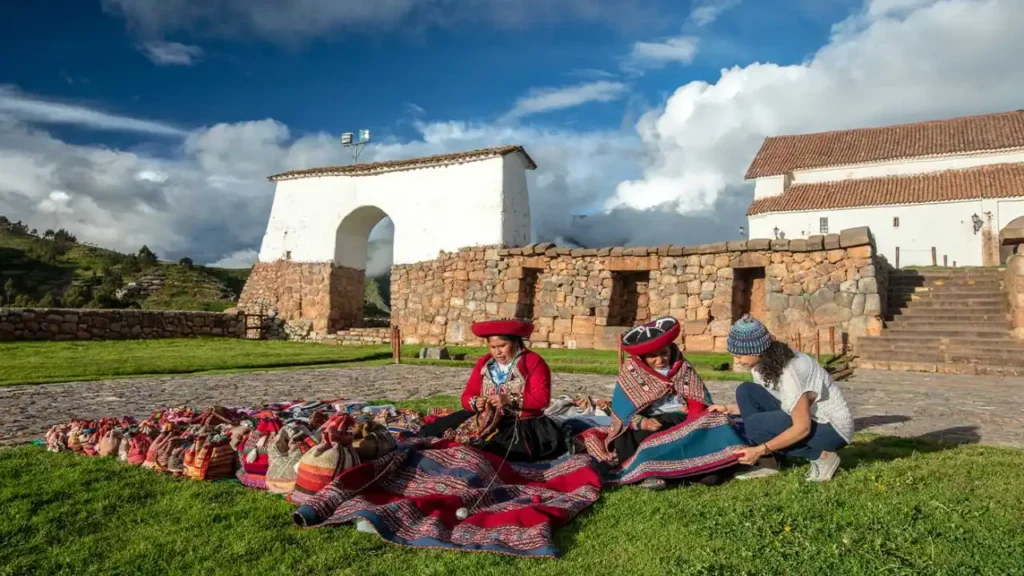
True ecotourism in Peru involves a positive economic impact. Buy handicrafts directly from local producers and choose restaurants that use local ingredients (Zero Kilometer approach).
4. Stay on marked trails
Soil erosion is a serious problem in high-traffic areas. Whether you are visiting Rainbow Mountain or Humantay Lake, respect the signs. Wandering off the path destroys local flora and disrupts delicate habitats.
5. Choose committed travel agencies
Before booking, do your research. Ask your agency how they manage waste at campsites, if they pay fair wages to porters and guides like our team, and what carbon footprint reduction policies they implement.
Travel with Purpose: Your role in conservation
Every decision counts. By integrating these habits, your visit will not only be memorable but will actively contribute to the conservation of Machu Picchu and other invaluable destinations in Peru.
Ready for a responsible adventure?
At Suntrace Peru, we are committed to the environment and Andean communities. We design itineraries that respect nature and connect you authentically with Peru. 👉 View our Eco-friendly Tours
Frequently Asked Questions about Sustainable Tourism (FAQs)
What is sustainable tourism in Peru? It is a way of traveling that seeks to minimize the negative impact on the environment and local culture while generating economic benefits for host communities, ensuring the preservation of Peruvian destinations.
How can I reduce my environmental impact when traveling to Cusco? By avoiding single-use plastics, using shared transportation when possible, respecting archaeological sites, not leaving trash on trails, and hiring agencies with proven sustainability policies.
Which agencies in Peru are eco-friendly? Eco-friendly agencies are those that operate under responsible travel principles. At Suntrace Peru, we implement “Leave No Trace” protocols, work closely with local communities, and offset our carbon footprint on every expedition.
What is community-based tourism and why is it important in Peru? Community-based tourism is a model where local populations, such as the Andean communities of the Sacred Valley or Lake Titicaca, directly manage tourist services. Participating in it guarantees that your investment directly benefits local families, avoiding middlemen and fostering an authentic and respectful cultural exchange.
When is the best time to travel to Peru sustainably? To reduce your carbon footprint and the pressure on fragile ecosystems, it is highly recommended to travel during the “shoulder seasons” (April-May or September-October). This helps avoid overcrowding in popular destinations like Machu Picchu, decreases trail erosion, and distributes local economic income evenly throughout the year.
What should I pack for an eco-friendly trip to Cusco and Machu Picchu? To minimize your impact, your backpack should include: a reusable water bottle (ideally with a filter), cloth bags, solid toiletries (no plastic packaging), and rechargeable batteries or solar power banks. It is essential to bring 100% biodegradable sunscreen and insect repellent so as not to pollute water sources or local ecosystems.
